Soft Handwritten: A Versatile and Adorable Font for Creative Projects
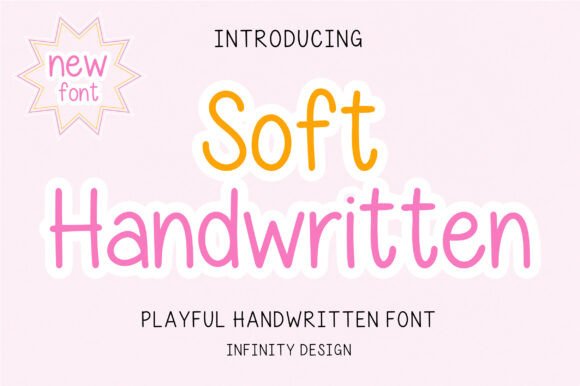
When it comes to choosing the right font for a design project, the style can make all the difference. Soft Handwritten is a unique and charming handwritten font that brings a sense of warmth and personality to any visual. Its smooth, friendly style makes it ideal for a wide range of applications, from logos to social media posts. Whether you're working on a personal project or a professional design, Soft Handwritten offers a perfect blend of creativity and functionality.
Understanding the Characteristics of Soft Handwritten
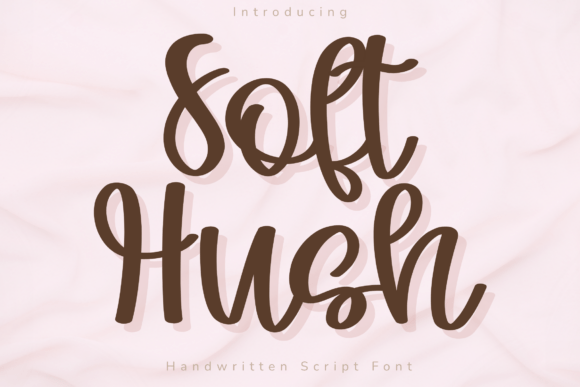
Soft Handwritten is designed with a soft, flowing script that mimics the natural movement of handwriting. This gives it a more approachable and human feel compared to rigid, mechanical fonts. The curves are gentle, and the overall appearance is relaxed, making it an excellent choice for projects that aim to convey a sense of friendliness and playfulness.
One of the standout features of Soft Handwritten is its versatility. It works well in both digital and print formats, which means it can be used across different platforms without losing its charm. The font maintains clarity even at smaller sizes, ensuring readability while still preserving its distinctive character.
The playful nature of Soft Handwritten makes it particularly popular among designers who want to add a touch of whimsy to their work. It's often used in branding for businesses that want to appear more personable and accessible, such as boutique shops, children's products, or creative startups.
Applications of Soft Handwritten in Modern Design
Soft Handwritten is not limited to just one type of project. Its adaptability allows it to shine in various creative fields. For instance, in logo design, this font can help create a brand identity that feels warm and inviting. It’s especially effective for businesses targeting a younger audience or those looking to stand out in a crowded market.
Invitations are another area where Soft Handwritten excels. Whether it's for a wedding, a birthday party, or a special event, using this font can add a personal and elegant touch. The font’s smooth lines and friendly style make it easy to read while still providing a visually appealing aesthetic.
In the realm of merchandise, Soft Handwritten is a favorite for t-shirts, stickers, and other promotional items. Its handcrafted look gives these products a unique and custom feel, making them more appealing to consumers. It's also commonly used in kids’ designs, where the cute and playful style aligns perfectly with the target audience.
Social media is another platform where Soft Handwritten can make a significant impact. Many content creators use this font for captions, headers, and graphics to add a more personal and engaging vibe. Its readability and charm help capture attention and make posts more memorable.
Why Choose Soft Handwritten for Your Projects?
There are several reasons why designers and creatives choose Soft Handwritten for their work. One of the main advantages is its ability to convey emotion and personality through typography. Unlike more formal fonts, Soft Handwritten has a more expressive quality that can enhance the overall message of a design.
Another benefit is its ease of use. Soft Handwritten is available in multiple formats, including web fonts and desktop versions, making it accessible for a wide range of users. This flexibility allows designers to incorporate the font into their workflow seamlessly, whether they're working on a website, a print project, or a digital campaign.
Additionally, the font's popularity means there are plenty of resources and examples available online. This can be helpful for those looking to learn how to use Soft Handwritten effectively or for inspiration on how to apply it in different contexts.
When considering a font like Soft Handwritten, it's important to think about the tone and message you want to communicate. If your project requires a more casual, friendly, or artistic feel, this font is an excellent choice. However, if you're aiming for a more professional or serious look, you may want to explore other options that better match your goals.
Best Practices for Using Soft Handwritten
To get the most out of Soft Handwritten, it's essential to use it thoughtfully. While the font is highly readable, it's best to avoid using it in large blocks of text. Instead, use it for headings, titles, or short phrases to maintain clarity and visual appeal.
Pairing Soft Handwritten with complementary fonts can also enhance the overall design. For example, combining it with a clean, sans-serif font can create a balanced look that highlights the uniqueness of the handwritten style without overwhelming the viewer.
Testing the font in different sizes and contexts is another good practice. What looks great on a website may not work as well on a printed flyer, so it's important to ensure that the font remains legible and effective in all applications.
Finally, consider the audience when using Soft Handwritten. While it's perfect for children's products or casual branding, it may not be the best fit for more formal or traditional designs. Understanding your target audience will help you make informed decisions about when and how to use this font effectively.